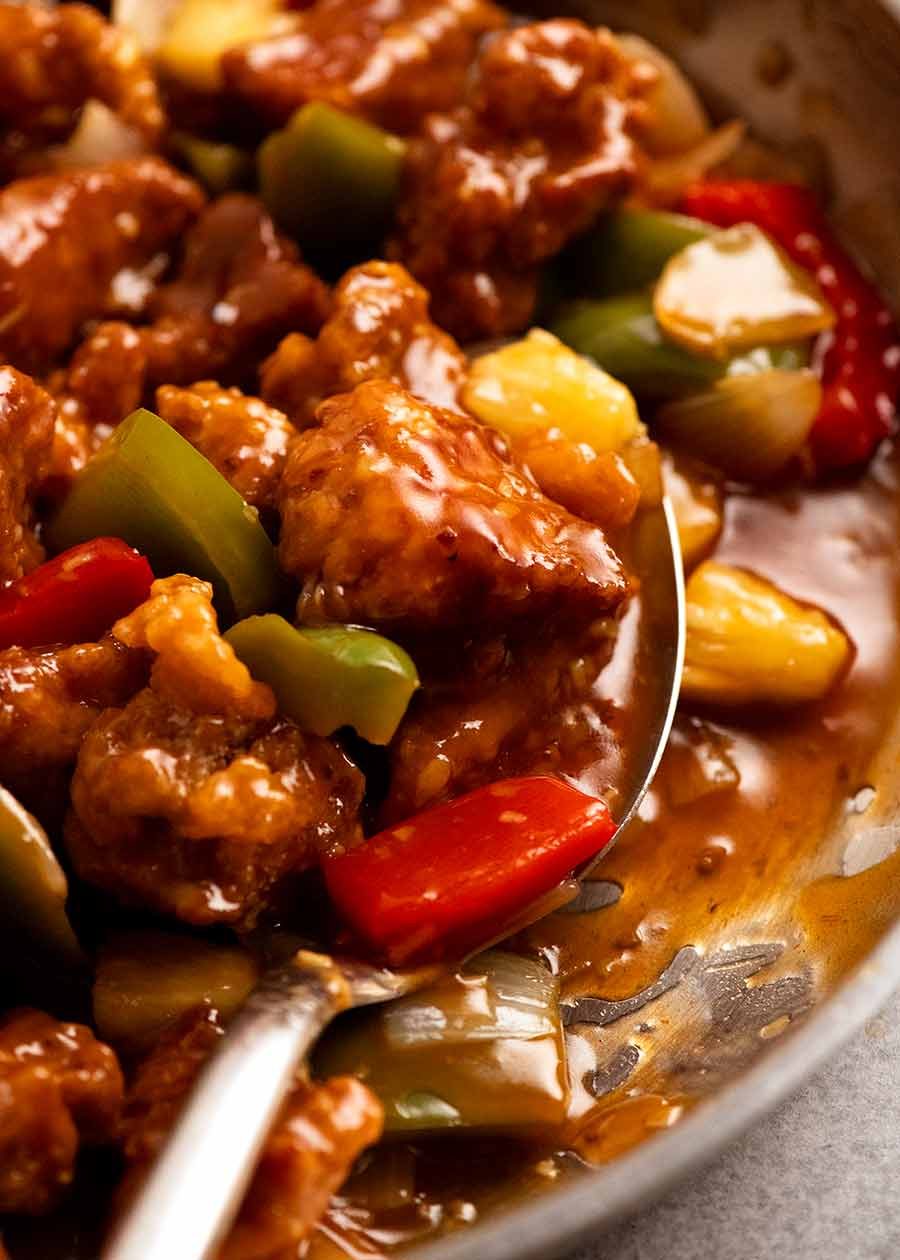
Why Homemade Sweet & Sour Pork Beats Takeout: Easy Recipe Secrets
The vibrant, sticky glaze of sweet and sour pork holds a special place in the hearts of food lovers worldwide. It's a dish synonymous with comfort, flavor, and often, the convenience of a takeout meal. However, if you've ever found yourself wondering whether the homemade version could truly elevate beyond the familiar red box, prepare to be delighted. Crafting your own
sweet and sour pork at home isn't just about cooking; it's about unlocking a depth of flavor, freshness, and quality that most takeout establishments simply can't match. With a few simple secrets and a focus on balanced ingredients, you can achieve a restaurant-worthy masterpiece that’s surprisingly easy to execute and infinitely more satisfying.
The Irresistible Allure of Homemade Sweet & Sour Pork
For many,
sweet and sour pork is a go-to order, but the reality of takeout can often fall short. Imagine soggy textures, an overly greasy coating, or a sauce that leans too heavily on artificial sweeteners and thickeners. When you make it yourself, you reclaim control over every aspect, transforming a quick fix into a genuine culinary experience.
*
Beyond the Greasy Takeout Carton: Homemade versions typically use less oil, allowing the natural flavors of the pork and the vibrancy of the sauce to shine through. You can ensure your pork is perfectly cooked—tender inside with a beautifully crisp or caramelized exterior—without the heavy, often unpleasantly oily residue common in mass-produced dishes.
*
The Freshness Factor: From crisp bell peppers and onions to freshly grated ginger and garlic, homemade
sweet and sour pork benefits immensely from the quality and freshness of its components. There's no comparison between vibrant, just-cooked vegetables and those that have sat stewing.
*
Control Over Ingredients: This is perhaps the greatest advantage. You choose your cut of pork, ensuring it's of the highest quality. You dictate the exact balance of sweet, sour, and savory in your sauce, free from excessive sugar, artificial colors, or unwanted MSG. This control allows for dietary adjustments and personal preference, making the dish truly your own.
*
Cost-Effectiveness & Satisfaction: Preparing your own meal is almost always more economical than ordering out, especially for family-sized portions. Moreover, there's an unparalleled sense of accomplishment and satisfaction that comes from serving a delicious, high-quality dish you've made from scratch.
The Secret Sauce: Crafting That Perfect Sweet & Sour Balance
The heart and soul of any great
sweet and sour pork dish lie squarely in its sauce. This isn't just a glaze; it's a carefully orchestrated symphony of flavors designed to complement, not overpower, the rich pork. The good news? Achieving this balance at home is far simpler than you might imagine, often relying on everyday pantry staples.
The classic sweet and sour sauce is a masterful blend of ginger, garlic, soy sauce, and a versatile sweetener like hoisin, balanced with a tang from vinegar (often rice wine vinegar). What elevates a good sauce to a great one is how these flavors interact. Instead of fighting for attention, they create a harmonious coating that clings to every piece of pork, offering layers of taste with each bite.
*
Core Ingredients & Their Role:
*
Soy Sauce: Provides crucial umami depth and savory notes.
*
Ginger & Garlic: The aromatic foundation, adding pungent warmth and complexity. Freshly grated ginger is key for maximum impact.
*
Hoisin Sauce: A thick, sweet, and savory Chinese barbecue sauce that contributes body, a beautiful sheen, and a nuanced sweetness.
*
Vinegar (e.g., Rice Wine Vinegar): Delivers the essential "sour" component, cutting through the richness of the pork and balancing the sweetness.
*
Sugar/Honey: Enhances the natural sweetness and helps with caramelization.
*
Optional Enhancers: A touch of ketchup can add a deeper red hue and an extra layer of tangy sweetness. Some recipes also incorporate pineapple juice for a fruity zest, or a splash of rice wine (or dry sherry as an excellent substitute) for added depth.
The true art lies in the *balance*. The sauce should be glossy, coating the pork beautifully as it caramelizes during cooking. It should taste bright and fresh, with a perfect equilibrium between its sweet, sour, and savory elements. This nuanced approach stands in stark contrast to the often overly sweet or one-dimensional sauces found in many takeout options. Understanding these roots can deepen your appreciation for this classic; for more on its origins, delve into
Cantonese Roots: The History and Evolution of Sweet & Sour Pork.
Mastering the Pork: From Cut to Caramelization
While the sauce sets the stage, the pork itself is the star of the show. The method of preparing the pork is crucial to achieving that desired tender interior and flavorful exterior. Depending on your preference and the specific recipe, several cuts and cooking techniques can yield magnificent results.
*
Choosing Your Cut:
*
Pork Spareribs: As featured in many classic recipes, spareribs offer incredible flavor and succulence. When cooked correctly, the meat becomes fall-off-the-bone tender, while the exterior develops a delightful caramelization.
*
Pork Belly: Known for its richness and tenderness, pork belly can be utterly divine in sweet and sour preparations, offering a melt-in-your-mouth texture.
*
Pork Tenderloin or Shoulder: For those who prefer leaner meat or bite-sized chunks, tenderloin or shoulder are excellent choices. These cuts are often cut into cubes, battered, and deep-fried for that classic crispy exterior.
*
Preparation Techniques:
*
Roasting: This method, often employed for spareribs or larger cuts, is a fantastic way to achieve tender meat with a beautifully caramelized, sticky coating without the mess of deep-frying. A two-stage roasting process often works best: an initial roast to tenderize the pork, followed by coating it in the sauce and roasting again at a higher temperature to develop that irresistible glaze. This approach often results in a genuinely elegant and easy-to-manage dish, much like the acclaimed methods that inspired our exploration here. For a detailed guide on this elegant preparation, you might find inspiration in
Mary Berry's Sweet & Sour Pork: Restaurant-Quality at Home.
*
Deep-Frying: For the iconic crispy, battered chunks of
sweet and sour pork, deep-frying is the traditional method. The key here is a light, airy batter that crisps beautifully, protecting the tender pork inside. Home cooks should pay attention to oil temperature (around 350-375°F or 175-190°C) and fry in batches to maintain consistent heat and prevent overcrowding.
*
Stir-Frying: A quicker, lighter option involves stir-frying bite-sized pork pieces (marinated for extra flavor) directly in the sweet and sour sauce. While it won't yield the same crispy exterior as deep-frying, it's a delicious and healthier alternative.
Regardless of the cooking method, the goal is always the same: succulent pork that provides the perfect canvas for the bold, complex sweet and sour sauce.
Elevating Your Homemade Sweet & Sour Pork Experience
Once you've mastered the basics of your sauce and pork, you can truly make your homemade
sweet and sour pork sing with added textures, colors, and flavors.
*
Beyond the Basics: Adding Vegetables & Fruit: While bell peppers (red, green, yellow for visual appeal), onions, and pineapple chunks are classic additions, don't stop there. Consider adding carrots for sweetness, snow peas for a fresh crunch, or even a few rehydrated shiitake mushrooms for an earthy depth. These not only add nutrition but also textural contrast and vibrant color.
*
Garnishes & Serving Suggestions: A sprinkle of toasted sesame seeds adds a nutty flavor and visual appeal. Freshly chopped scallions (green onions) provide a sharp, fresh finish. Serve your glorious creation over a bed of fluffy steamed jasmine rice to soak up every last drop of that amazing sauce. A simple side of blanched broccoli or stir-fried greens would complete the meal beautifully.
*
Customization Tips:
*
Adjust Sweetness/Sourness: Taste your sauce as you go. Add a little more sugar if you prefer it sweeter, or an extra splash of vinegar for more tang.
*
Heat Factor: For a subtle kick, a pinch of red pepper flakes or a dash of Sriracha can be added to the sauce.
*
Different Vinegars: Experiment with different vinegars like apple cider vinegar for a fruitier note, or even a splash of balsamic for a richer, deeper flavor profile (use sparingly!).
*
Meal Prep Friendly: The sauce can often be made ahead of time and stored in the refrigerator, making weeknight cooking even faster.
Conclusion
There’s a clear winner in the homemade vs. takeout debate when it comes to
sweet and sour pork. The ability to control ingredients, ensure freshness, and tailor flavors to your exact preference makes the homemade version an undisputed champion. With a thoughtfully balanced sauce and perfectly cooked pork, you're not just making a meal; you're crafting an experience that’s cleaner, fresher, more flavorful, and ultimately, far more satisfying than any takeout carton could ever deliver. Embrace the joy of cooking this classic dish yourself – your taste buds (and your wallet) will thank you.