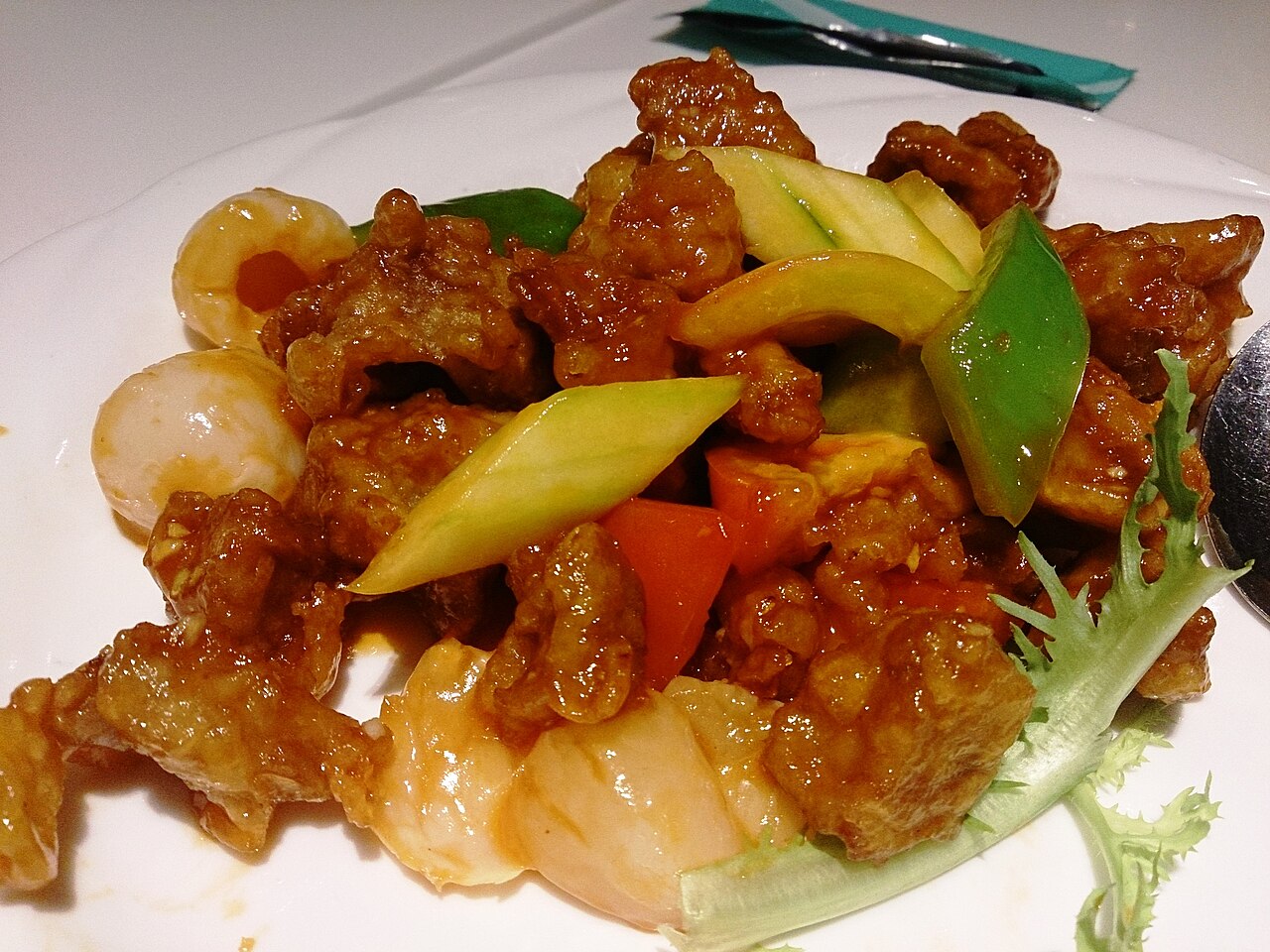
Cantonese Roots: The History and Evolution of Sweet & Sour Pork
Few dishes evoke the vibrant essence of Chinese cuisine quite like sweet and sour pork. Globally recognized and universally adored, this iconic creation has transcended cultural boundaries to become a beloved staple in countless households and restaurants. But beneath its glossy, tantalizing exterior lies a rich history, deeply rooted in the culinary traditions of Canton, now known as Guangzhou, in southern China. This isn't just a dish; it's a testament to centuries of gastronomic evolution, balancing flavors and textures to perfection.
The Ancient Roots of a Modern Classic
The journey of sweet and sour pork, known as _gūlūròu_ in Mandarin or _goo lo yok_ in Cantonese, began humbly in the bustling culinary landscape of Guangzhou in the 18th century. Southern China, with its fertile lands and access to diverse ingredients, has long been a cradle of innovative cooking, and Cantonese cuisine, in particular, is celebrated for its emphasis on freshness, subtle seasoning, and masterful technique.
Early iterations of sweet and sour pork were a reflection of this culinary philosophy. The foundational principle was to create a sauce that could tantalize the palate by balancing opposing yet complementary tastes. Far from the heavily sugared concoctions often found today, these original sauces frequently drew their sweetness and tartness from natural sources. Fruits like plums, hawthorn berries, and even preserved apricots were meticulously processed to craft a complex, fruity tang that paired exquisitely with succulent cuts of pork. This approach underscored a key Cantonese principle: using natural ingredients to achieve sophisticated flavor profiles without overwhelming the primary ingredient.
The choice of pork was no accident. Its mild, versatile flavor and inherent richness provided the perfect canvas for the bold, complex sweet and sour glaze. Whether using tenderloin, belly, or spareribs, the meat was typically prepared in bite-sized pieces, often coated in a light batter and deep-fried to achieve a crisp exterior that locked in moisture, ensuring a tender interior. This technique of deep-frying, a hallmark of Cantonese cooking, not only added a delightful textural contrast but also allowed the sauce to cling beautifully to every piece.
From Canton to the World: The Dish's Global Journey
The late 19th and early 20th centuries marked a pivotal period in the globalization of sweet and sour pork. As waves of Chinese immigrants sought new opportunities abroad, particularly in the United States during the California Gold Rush and the construction of the transcontinental railroads, they carried their culinary heritage with them. Establishing Chinatowns and opening restaurants, these pioneers introduced their native dishes to a curious new audience.
Naturally, the dish underwent adaptations to suit local palates and available ingredients. The original fruit-based sauces sometimes gave way to more accessible combinations of vinegar, sugar, soy sauce, and sometimes ketchup, which provided a more robust and immediate sweet and sour profile that resonated with Western tastes. Vegetables like bell peppers, onions, and chunks of pineapple became common additions, contributing not just vibrant colors but also additional layers of sweetness, acidity, and textural crunch.
What began as a regional delicacy in southern China blossomed into a global sensation. Sweet and sour pork became a gateway dish for many non-Chinese individuals, offering an approachable yet exotic flavor experience. Its widespread appeal cemented its status as a fixture on Chinese restaurant menus worldwide, evolving into the familiar, deeply satisfying dish we recognize today.
The Art of Balance: What Makes Sweet & Sour Pork Irresistible?
The enduring appeal of sweet and sour pork lies in its masterful execution of flavor balance. It’s a culinary dance where tangy acidity meets comforting sweetness, all underpinned by savory depth. This intricate interplay is precisely what makes the dish so addictive.
*
The Sauce's Symphony: A well-crafted sweet and sour sauce typically features a blend of elements. Vinegar (rice vinegar being traditional) provides the essential sour kick, cutting through richness and awakening the palate. Sugar, often balanced with fruit juices or honey, delivers the sweetness, enhancing pork's natural flavors. Soy sauce, perhaps a touch of hoisin, and fresh aromatics like grated ginger and minced garlic introduce umami and aromatic complexity, preventing the sauce from being one-dimensional. The result is a glossy, vibrant glaze that coats every morsel, creating an explosion of harmonious flavors.
*
Pork: The Ideal Canvas: As previously mentioned, pork is uniquely suited for this preparation. Its inherent richness is perfectly complemented by the sauce's tangy acidity, which prevents the dish from feeling heavy. Unlike chicken or beef, pork's mild, versatile taste allows the bold flavors of the sweet and sour sauce to truly shine without competition. Whether you opt for tender spareribs, luscious pork belly, or lean tenderloin, the meat absorbs the glaze beautifully, becoming irresistibly tender and flavorful.
*
Texture and Aroma: Beyond taste, the textural contrast is crucial. Traditionally, the deep-fried pork offers a delightful crispness that gives way to a tender interior. When stir-fried or roasted, the sauce caramelizes beautifully, forming a sticky, flavorful coating. The addition of fresh vegetables like bell peppers and onions provides a satisfying crunch, while pineapple chunks contribute bursts of juicy sweetness and tartness. Optional garnishes such as sesame oil and fresh scallions add authentic depth and visual appeal, elevating the dish from simple fare to a culinary experience.
Crafting Your Own Culinary Masterpiece: Tips for the Home Cook
The beauty of sweet and sour pork is that a restaurant-quality version is entirely achievable in your own kitchen. Many home cooks appreciate this pairing for its simplicity and impressive results, proving that sometimes, the simplest approach wins.
1.
Choose Your Cut Wisely: While traditional recipes often feature bite-sized chunks of pork tenderloin or shoulder, spareribs and pork belly also work beautifully, offering a richer, more decadent experience.
2.
Embrace Fresh Aromatics: Freshly grated ginger and minced garlic are non-negotiable. Their pungent, aromatic qualities are essential for an authentic flavor profile.
3.
Balance the Sauce: The sauce is key. Experiment with the ratio of sweetness (sugar, honey, pineapple juice) to sourness (rice vinegar, apple cider vinegar) until it suits your preference. A touch of soy sauce and perhaps hoisin will add depth. For those inspired to try a homemade version that rivals any restaurant, exploring
Mary Berry's Sweet & Sour Pork: Restaurant-Quality at Home offers a fantastic starting point. This recipe simplifies the process while maintaining incredible flavor, often using a two-stage roasting method for maximum tenderness and caramelization without the fuss of deep-frying.
4.
Consider Cooking Method: If you're hesitant about deep-frying, roasting or pan-frying battered pork until crispy, then tossing it in the sauce, can yield excellent results. The goal is tender pork with a slightly crisp exterior.
5.
Don't Skip the Veggies: Bell peppers, onions, and pineapple are more than just fillers. They add crucial texture, freshness, and an additional layer of flavor that complements the pork and sauce perfectly.
6.
Personalize: While the core ingredients are crucial, there's room for personalization. A drizzle of sesame oil at the end, a sprinkle of toasted sesame seeds, or a garnish of fresh scallions can elevate the dish significantly. If rice wine isn't available, a dry sherry can serve as an excellent substitute, adding a similar depth of flavor. And if you're still wondering
Why Homemade Sweet & Sour Pork Beats Takeout: Easy Recipe Secrets, the answer often lies in fresh ingredients, tailored flavors, and the joy of preparing a meal free from excessive grease and artificial additives.
From its humble beginnings in 18th-century Guangzhou to its prominent place on menus worldwide, sweet and sour pork represents a remarkable culinary journey. It's a dish that artfully combines history, technique, and an undeniable balance of flavors into a universally appealing experience. Whether you're savoring a traditional deep-fried version or a healthier roasted alternative, each bite is a delicious homage to its rich Cantonese heritage. This timeless classic continues to captivate palates, proving that some culinary traditions are truly built to last.